Pug in Australia — the honest 2026 guide
By Dogthings Editorial · Updated 2026-10-18
Affiliate disclosure: Some links on this page earn us a commission at no extra cost to you. We only recommend products and services we'd use with our own dogs.
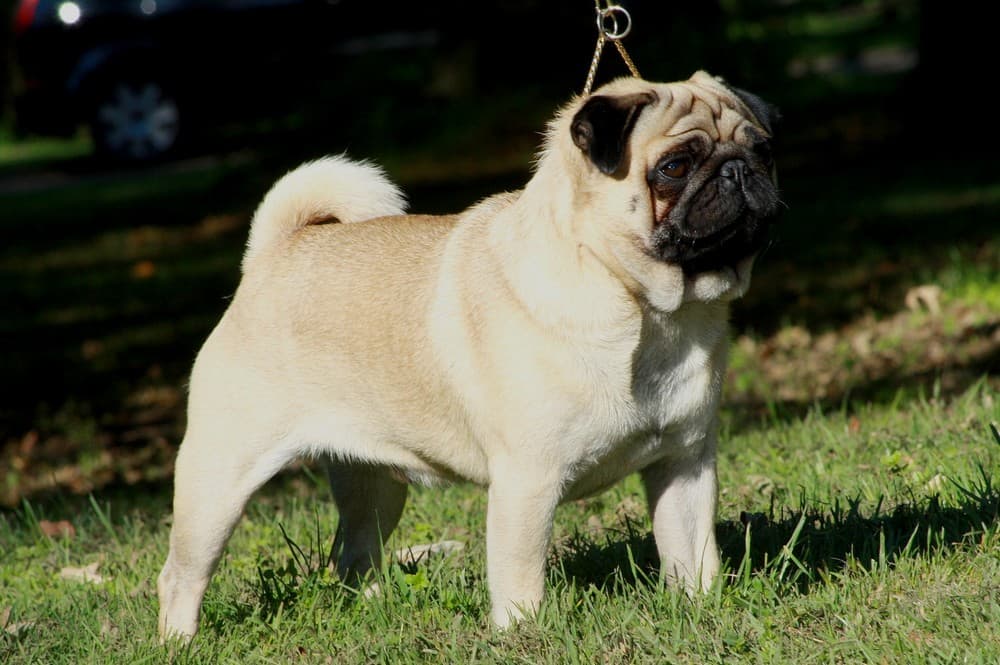
The original companion dog — bred only for sitting on laps and being charming. Pugs have zero working drive, moderate health demands, and unlimited affection.
Pug temperament
Clownish, loving, stubborn in training, rarely aggressive. Snore loudly enough to wake the household.
History in Australia
Bred in ancient China for Imperial laps, imported to Europe by Dutch traders. Continuous popularity in Australia since colonial times.
Who the Pug suits
Good for:
- Apartments
- Seniors
- Low-exercise lifestyles
Watch out for:
- Heat intolerance
- Eye injuries (prominent eyes)
- Weight gain
Training a Pug
Food-motivated when they're engaged, immovable when they're not. Very short sessions, very high-value treats.
Owning a Pug in Australia
Microchipping, council registration, desexing, strata by-laws and restricted-breed rules apply to every dog in Australia regardless of breed. The state-by-state detail is in our guide to Australian dog ownership laws.
What matters specifically for a Pug: small-sized dogs attract the lower end of council registration fees, and generally clear the size conditions strata schemes are permitted to impose. Budget $45 – $75/month on food, on top of the $400–900/year in routine care every Australian dog owner carries.
Common Pug health issues
- BOAS
- Pug Dog Encephalitis
- Corneal ulcers
- Hip dysplasia
Insurance note: Brachycephalic airway claims + eye injuries + skin fold infections are frequent. Premiums sit higher than breed size suggests.
Best food for a Pug in Australia
Our top picks based on coat quality, digestion, and AU availability:
- Royal Canin Pug Adult (breed-specific kibble)
- Hill's Science Diet Small Paws
- Advance Small Breed
Essential gear for a Pug
Six things that genuinely matter for a Pug living in Australia:
The best Pug-specific food deals, insurance updates, training tips and AU vet care — once a month, one email. Unsubscribe any time.
No spam. We forward affiliate commissions back into our content budget. See privacy.
Frequently asked questions
Can Pugs handle Australian summers?
Poorly. Walk them at dawn or dusk, never in direct midday sun December–February. Brachycephalic dogs account for a disproportionate share of heatstroke deaths every Aussie summer.
Pug-specific cost + care reading
- Pug lifetime cost breakdown — first-year + 10-year numbers
- Brachycephalic care guide — BOAS surgery costs, insurance loading, heat-stroke management
- Snake bite cost in Australia — every AU owner should read this before summer
- Best pet insurance Australia 2026
Similar dog breeds
If the Pug doesn't quite fit, these breeds share a similar size and energy profile:
Read next
- Apartment vs Backyard Dogs in Australia — which breeds actually work in a unit?· 7 min read
- Puppy Vaccination Schedule Australia — C3, C5, C7 explained· 6 min read
- First-Year Dog Budget Australia — what a puppy actually costs in 2026· 8 min read
Still deciding on a Pug?
Run the numbers with our food cost calculator, or compare pet insurance for Pugs before you commit.
Updated 2026-10-18 · Not veterinary advice — always consult your vet.