Miniature Dachshund in Australia — the honest 2026 guide
Also known as: Mini Dachsie, Mini Sausage Dog
By Dogthings Editorial · Updated 2026-10-18
Affiliate disclosure: Some links on this page earn us a commission at no extra cost to you. We only recommend products and services we'd use with our own dogs.
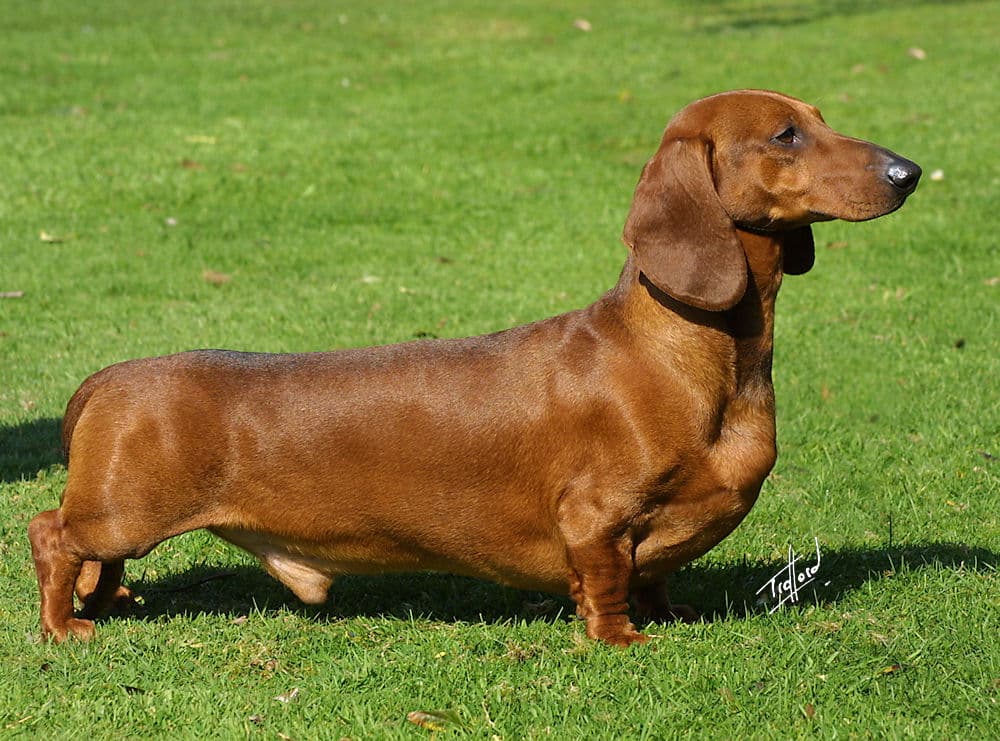
Compact, bold, and deeply entertaining. The catch: their long backs are a genuine medical liability. If you can commit to ramps, controlled exercise, and a lean body condition, they're brilliant little dogs.
Miniature Dachshund temperament
Bold, clever, and stubbornly independent. Often single-person-focused. Will bark at everything.
History in Australia
Bred in 17th-century Germany to hunt badgers. The miniature version came later for rabbiting. Hugely popular in Australia as apartment living rose.
Who the Miniature Dachshund suits
Good for:
- Apartments
- Single-level living
- Owners who can enforce 'no jumping off furniture'
Watch out for:
- IVDD / back injuries
- Obesity compounds IVDD risk
- Stubborn — slow housetraining
Training a Miniature Dachshund
Crate-train early and teach 'wait' at furniture edges. Avoid stairs and jumping — the #1 predictor of IVDD episodes.
Owning a Miniature Dachshund in Australia
Microchipping, council registration, desexing, strata by-laws and restricted-breed rules apply to every dog in Australia regardless of breed. The state-by-state detail is in our guide to Australian dog ownership laws.
What matters specifically for a Miniature Dachshund: small-sized dogs attract the lower end of council registration fees, and generally clear the size conditions strata schemes are permitted to impose. Budget $40 – $70/month on food, on top of the $400–900/year in routine care every Australian dog owner carries.
Common Miniature Dachshund health issues
- IVDD (intervertebral disc disease)
- Obesity
- Patellar luxation
- Progressive retinal atrophy
Insurance note: IVDD (spinal disc disease) is the defining insurance claim — up to 25% of Dachshunds develop it. Surgery runs $8,000–$12,000. Insurance is strongly recommended.
Best food for a Miniature Dachshund in Australia
Our top picks based on coat quality, digestion, and AU availability:
- Hill's Science Diet Small Paws
- Royal Canin Mini Adult
- Black Hawk Small Breed
Essential gear for a Miniature Dachshund
Six things that genuinely matter for a Miniature Dachshund living in Australia:
The best Miniature Dachshund-specific food deals, insurance updates, training tips and AU vet care — once a month, one email. Unsubscribe any time.
No spam. We forward affiliate commissions back into our content budget. See privacy.
Frequently asked questions
How do I prevent back problems in my Dachshund?
Strict weight management (lean body condition), ramps for furniture and car, no stairs, controlled leash walks instead of wild play. These four changes cut IVDD risk roughly in half.
Miniature Dachshund-specific cost + care reading
- Miniature Dachshund lifetime cost breakdown — first-year + 10-year numbers
- Snake bite cost in Australia — every AU owner should read this before summer
- Best pet insurance Australia 2026
Similar dog breeds
If the Miniature Dachshund doesn't quite fit, these breeds share a similar size and energy profile:
Read next
- Apartment vs Backyard Dogs in Australia — which breeds actually work in a unit?· 7 min read
- Puppy Vaccination Schedule Australia — C3, C5, C7 explained· 6 min read
- First-Year Dog Budget Australia — what a puppy actually costs in 2026· 8 min read
Still deciding on a Miniature Dachshund?
Run the numbers with our food cost calculator, or compare pet insurance for Miniature Dachshunds before you commit.
Updated 2026-10-18 · Not veterinary advice — always consult your vet.