Australian Kelpie in Australia — the honest 2026 guide
By Dogthings Editorial · Updated 2026-10-18
Affiliate disclosure: Some links on this page earn us a commission at no extra cost to you. We only recommend products and services we'd use with our own dogs.
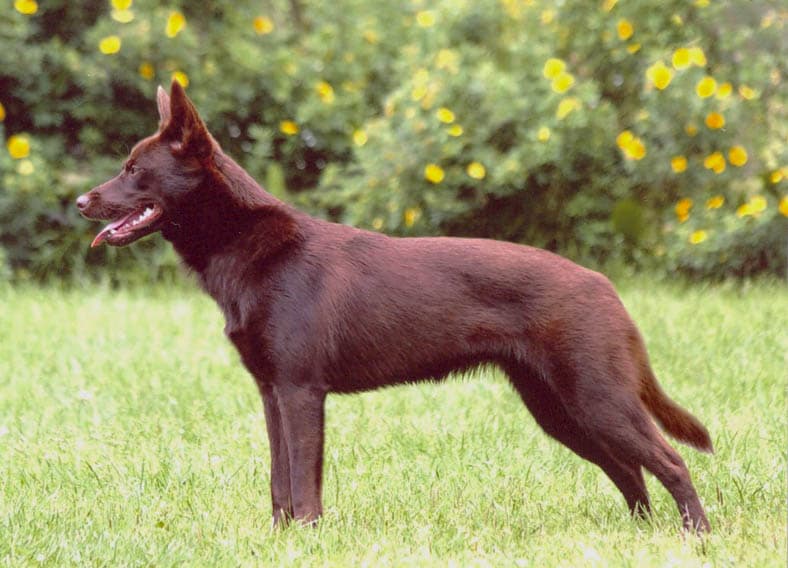
The working Aussie icon. Kelpies are sharper than Border Collies in the paddock and harder to contain. Only get one if you have a job for it — walking to the shops doesn't count.
Australian Kelpie temperament
Tireless, intensely focused, and independent-minded compared to Border Collies. Respectful of a confident handler; disaster under a permissive one.
History in Australia
Developed in 1870s NSW from imported Scottish Collies crossed with local working dogs. The 'Kelpie' name comes from one of the foundation dogs. Still the default stockman's dog across outback Australia.
Who the Australian Kelpie suits
Good for:
- Rural properties
- Dog sport homes
- Farm working
Watch out for:
- Not an apartment dog
- Will eat through fencing if bored
- Nip and herd tendency
Training a Australian Kelpie
They get bored with repetition — keep sessions short and varied. Herding ball (treibball) suits apartment-bound Kelpies reasonably well if you must.
Owning a Australian Kelpie in Australia
Microchipping, council registration, desexing, strata by-laws and restricted-breed rules apply to every dog in Australia regardless of breed. The state-by-state detail is in our guide to Australian dog ownership laws.
What matters specifically for a Australian Kelpie: medium-sized dogs attract the lower end of council registration fees, and generally clear the size conditions strata schemes are permitted to impose. Budget $70 – $110/month on food, on top of the $400–900/year in routine care every Australian dog owner carries.
Common Australian Kelpie health issues
- Cerebellar Abiotrophy (DNA test)
- Hip dysplasia
- Progressive retinal atrophy
Insurance note: Generally healthy breed — one of the cheapest to insure. Watch for Cerebellar Abiotrophy DNA testing in show lines.
Best food for a Australian Kelpie in Australia
Our top picks based on coat quality, digestion, and AU availability:
- Black Hawk Working Dog (25kg bag)
- Meals for Mutts Working Dog
- Coprice Working Dog
Essential gear for a Australian Kelpie
Six things that genuinely matter for a Australian Kelpie living in Australia:
The best Australian Kelpie-specific food deals, insurance updates, training tips and AU vet care — once a month, one email. Unsubscribe any time.
No spam. We forward affiliate commissions back into our content budget. See privacy.
Frequently asked questions
Kelpie vs Border Collie — which should I get?
Kelpie if you want independence and toughness; Border Collie if you want biddability and precision. Both need serious work — neither is a pet-only breed.
Do Kelpies shed?
Moderately year-round with two bigger blow-outs per year. A weekly brush and a deshedding tool through the blow-out weeks is enough.
Australian Kelpie-specific cost + care reading
- Australian Kelpie lifetime cost breakdown — first-year + 10-year numbers
- Snake bite cost in Australia — every AU owner should read this before summer
- Best pet insurance Australia 2026
Similar dog breeds
If the Australian Kelpie doesn't quite fit, these breeds share a similar size and energy profile:
Read next
- Apartment vs Backyard Dogs in Australia — which breeds actually work in a unit?· 7 min read
- Puppy Vaccination Schedule Australia — C3, C5, C7 explained· 6 min read
- First-Year Dog Budget Australia — what a puppy actually costs in 2026· 8 min read
Still deciding on a Australian Kelpie?
Run the numbers with our food cost calculator, or compare pet insurance for Australian Kelpies before you commit.
Updated 2026-10-18 · Not veterinary advice — always consult your vet.