Groodle in Australia — the honest 2026 guide
Also known as: Goldendoodle
By Dogthings Editorial · Updated 2026-10-18
Affiliate disclosure: Some links on this page earn us a commission at no extra cost to you. We only recommend products and services we'd use with our own dogs.
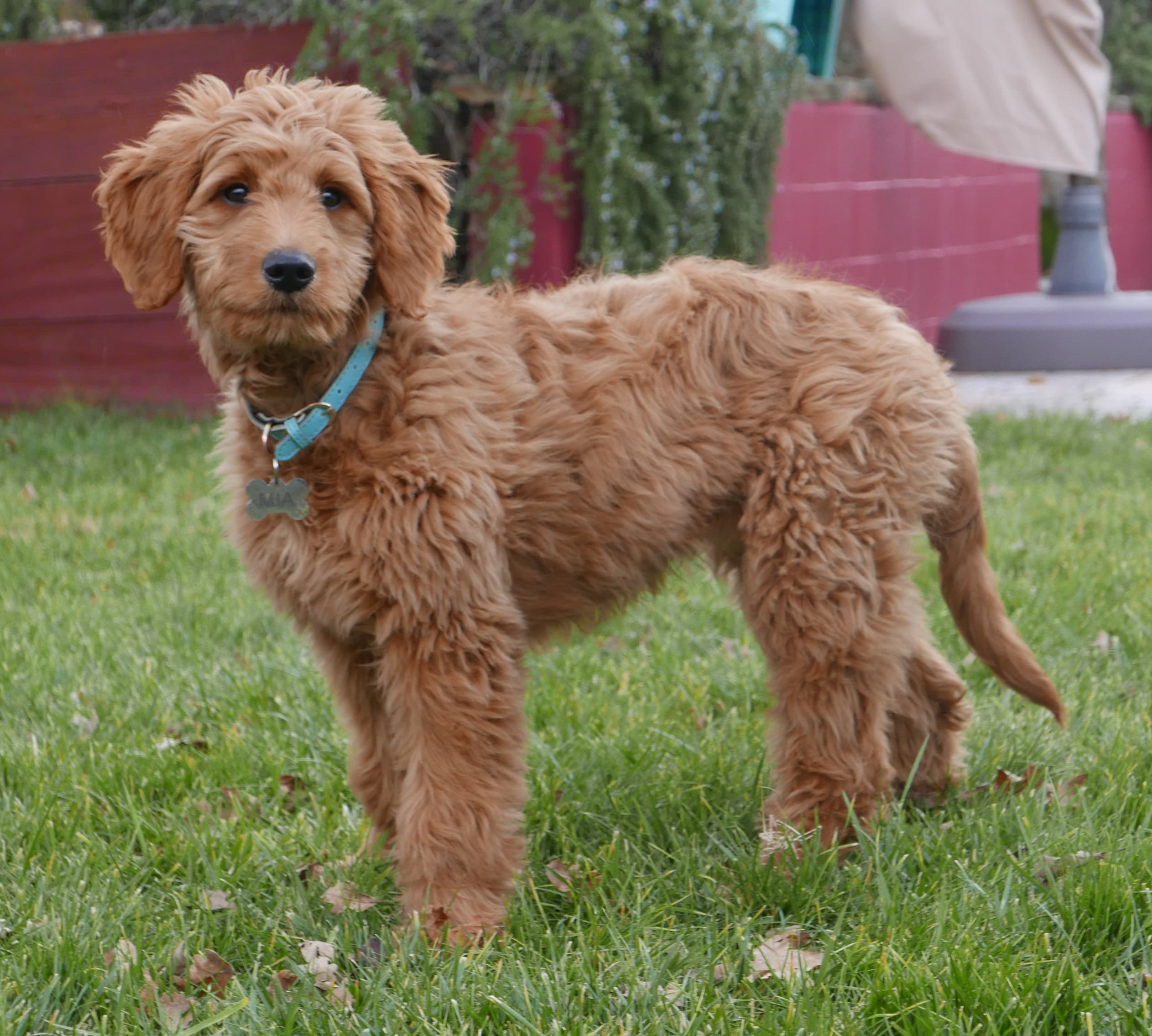
Groodles — Golden Retriever × Poodle — are the Cavoodle's bigger cousin. All the affability and low-shed coat, with the brains and drive of both parents. Fantastic family dog if you have the space and exercise budget.
Groodle temperament
Social, biddable, and eager to please. Rarely aggressive. Groodles need a job — agility, scent work, obedience, or just long daily walks — or they'll invent their own (usually your skirting boards).
History in Australia
Bred originally as guide dog candidates for allergic handlers in the late 1990s. Australian breeders picked up the cross in the early 2000s and the Groodle has been in the top-10 designer breeds ever since.
Who the Groodle suits
Good for:
- Active families
- Suburban homes with yards
- Households wanting a big friendly dog that sheds minimally
Watch out for:
- Hip dysplasia
- Bloat/GDV risk
- Needs 60+ minutes exercise daily
Training a Groodle
Treat them like the working dogs they half-are. Obedience class from 14 weeks, recall drilled daily off-leash at parks from 6 months. They learn fast but bore faster — keep it varied.
Owning a Groodle in Australia
Microchipping, council registration, desexing, strata by-laws and restricted-breed rules apply to every dog in Australia regardless of breed. The state-by-state detail is in our guide to Australian dog ownership laws.
What matters specifically for a Groodle: large-sized dogs attract the upper end of council registration fees, and the size conditions strata schemes are still permitted to impose are aimed squarely at this weight class — read the by-laws before signing a lease. Budget $100 – $160/month on food, on top of the $400–900/year in routine care every Australian dog owner carries.
Common Groodle health issues
- Hip and elbow dysplasia
- Gastric torsion (bloat)
- Atopy/skin allergies
- Ear infections
Insurance note: Large-breed premiums are higher than small breeds. Hip and elbow dysplasia are common claims — confirm breeder has PennHIP or ANKC scoring.
Best food for a Groodle in Australia
Our top picks based on coat quality, digestion, and AU availability:
- Black Hawk Large Breed Adult
- Advance Large Breed All Life Stages
- Meals for Mutts Kangaroo & Lamb Grain Free
Essential gear for a Groodle
Six things that genuinely matter for a Groodle living in Australia:
The best Groodle-specific food deals, insurance updates, training tips and AU vet care — once a month, one email. Unsubscribe any time.
No spam. We forward affiliate commissions back into our content budget. See privacy.
Frequently asked questions
How big do Groodles get?
Standard Groodles reach 20–40 kg depending on the Poodle parent. Medium Groodles land around 15–25 kg. Confirm parent weights before committing.
How much exercise does a Groodle need?
60+ minutes daily, split between leash walks and off-leash free running. Adolescent Groodles (6–18 months) need more — often closer to 90 minutes.
Do Groodles bark a lot?
Not typically. They'll alert-bark at the door but are rarely nuisance barkers. Excessive barking usually signals boredom or separation anxiety.
Groodle-specific cost + care reading
- Groodle lifetime cost breakdown — first-year + 10-year numbers
- Snake bite cost in Australia — every AU owner should read this before summer
- Best pet insurance Australia 2026
Similar dog breeds
If the Groodle doesn't quite fit, these breeds share a similar size and energy profile:
Read next
- Apartment vs Backyard Dogs in Australia — which breeds actually work in a unit?· 7 min read
- Puppy Vaccination Schedule Australia — C3, C5, C7 explained· 6 min read
- First-Year Dog Budget Australia — what a puppy actually costs in 2026· 8 min read
Still deciding on a Groodle?
Run the numbers with our food cost calculator, or compare pet insurance for Groodles before you commit.
Updated 2026-10-18 · Not veterinary advice — always consult your vet.